Baba Vanga: Why She Is Called the Nostradamus of the Balkans
A small Bulgarian town, an elderly woman in a dark headscarf, and visitors arriving with questions about the things that matter most. This is the image many people associate with Baba Vanga. Over time, it acquired a striking description: the Nostradamus of the Balkans.
The comparison makes sense even to someone unfamiliar with her life. It immediately suggests a person believed to foresee the future. Yet the story behind that name is more complicated than another collection of predictions.
Vanga and Nostradamus lived centuries apart and left very different legacies. What connects them most clearly is the way later generations have read, retold, and interpreted the prophecies associated with them.
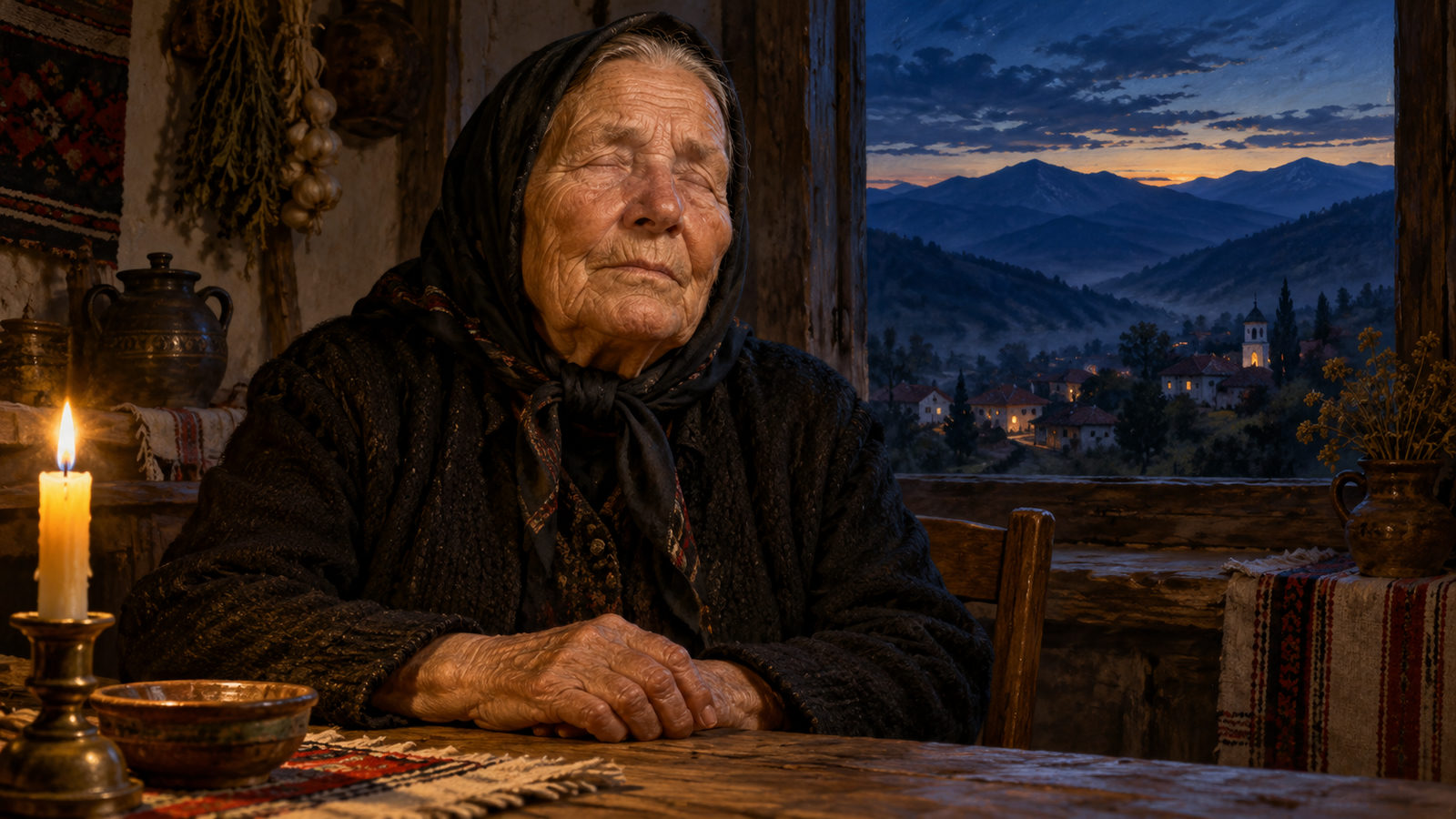
The woman who became Baba Vanga
Vangelia Gushterova was born in 1911 in Strumica, now in North Macedonia. Her adult life became closely associated with Bulgaria, particularly Petrich and nearby Rupite.
She lost her sight in her youth. A familiar biographical account attributes this to a violent storm. Retellings often present that episode as the beginning of her gift. However, the account of her blindness and the claim that she developed clairvoyance require different kinds of evidence.
Her reputation grew during the Second World War. People approached her hoping to learn what had happened to missing relatives. Stories about her gradually travelled further.
Behind the language of prophecy were specific human concerns. Someone was waiting for a loved one to return. Someone else was trying to live with loss. From the beginning, Vanga's story was entangled with hope and the fear of uncertainty.
What she shares with Nostradamus
Nostradamus was a French physician and astrologer of the sixteenth century. The first edition of his prophecies appeared in 1555, written in four-line verses. Their ambiguous language has allowed readers from different periods to find references to events in their own times.
Vanga's legacy takes a different form. Much of her public image comes through accounts of meetings, recollections by people around her, and later publications. Checking a particular prediction requires establishing who recorded the words and when they first appeared.
The Nostradamus of the Balkans is therefore best understood as a comparison of reputation and fame. It does not mean Vanga used his methods or left a similar collection of writings.
There is another resemblance. In both cases, readers often learn about an event first and only afterwards encounter a phrase presented as its prediction. That makes checking the original wording especially important.
Why people believed her?
There is no single answer that explains every encounter.
Personal experience, family stories, faith, and trust in acquaintances can shape how someone understands what they hear. If a visitor believed Vanga had said something remarkably accurate, the account could become part of their family's history.
But a powerful impression and a verifiable record are not always the same. Assessing an individual case requires details that a brief retelling may leave out. What exactly was said? What was already known? Which statements did not match later events?
These questions do not erase the importance a meeting held for someone. They help distinguish its personal meaning from evidence of supernatural abilities.
Rupite and her lasting presence
There is also a tangible side to Vanga's legacy.
The Church of Saint Petka of Bulgaria in Rupite was consecrated in 1994. Vanga contributed to its creation and funding. The artist Svetlin Rusev produced its paintings.
The church and her nearby home remind us that her life involved more than statements about the future. She had attachments, religious beliefs, and projects that left a mark on a particular place.
Vanga died on 11 August 1996. From that point onwards, she could no longer clarify her words or challenge statements attributed to her.
How to approach predictions in her name
When you encounter another article, begin with a simple question: where did its wording come from?
Vanga's name in a headline does not establish authorship. What matters is whether a dated record exists, whether its origin can be checked, and whether it appeared before the event being described.
Precise calendars of future wars, discoveries, and disasters deserve particular caution when no original source is supplied. Many similar articles may simply repeat a single unverified account.
The person behind the title
The Nostradamus of the Balkans is memorable, but it leaves much outside the frame. The Bulgarian setting in which Vanga lived. Visitors with their individual concerns. The differences between memory, belief, and documentation.
Her life remains interesting without a promise to reveal tomorrow. It offers a way to consider how a legend forms around a person and why that legend survives.
Perhaps the most human question in her story is this: when we turn to predictions, are we looking for information about the future, or for hope that makes the present easier to bear?
Written by Kistamets